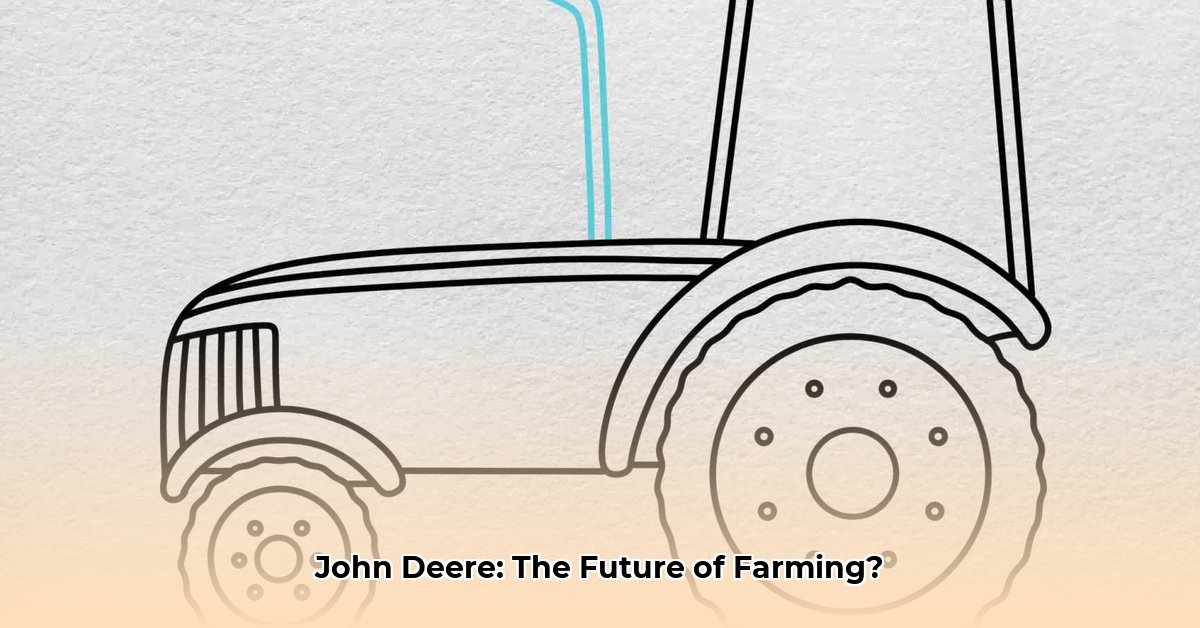
Drawings of John Deere Tractors: A Glimpse into Green Farming's Future
Ever noticed the ubiquitous John Deere tractor in children's drawings? Those bright green machines, often slightly lopsided but undeniably John Deere, are more than just childish renderings. They symbolize farming, hard work, and a connection to the land. But they also represent a remarkable shift: how technology fuels sustainable agriculture. This isn't about dry statistics; it's a story of how iconic tractors are shaping a greener future, from a child's playful sketch to the high-tech tools revolutionizing farming. We'll explore how John Deere and others are using innovative technology to feed the world sustainably, and how farmers are embracing this change. It’s an optimistic story about farming and the environment thriving together. For toy tractors, check out John Deere Toys.
The John Deere Legacy: More Than Just a Name
John Deere transcends being merely a brand; it's a cultural icon synonymous with farming. Picture the classic image: a farmer at the helm of a powerful green tractor, diligently cultivating the land. Generations have witnessed these machines, a familiarity reflected in countless children's drawings. These sketches, whether meticulously detailed or quickly scribbled, reveal a profound connection between the John Deere brand and our agricultural heritage. The brand’s enduring popularity speaks to its success in adapting to changing times, consistently offering innovative solutions to food production challenges. This isn't about nostalgia; it's about recognizing a brand's persistent influence on global farming practices.
Tech on the Farm: How Innovation Fuels Sustainability
Those vibrant green tractors in children's drawings aren't just simple machines; they represent a technological revolution in agriculture. John Deere, alongside other companies, leads this transformation from manual labor to high-tech precision, a transition crucial to sustainable agriculture. Consider this: a child’s drawing might depict a tractor effortlessly traversing a field. But that seemingly simple image reflects the intricate technology within, enabling more efficient and environmentally conscious farming techniques. How significant is this technological leap for long-term food security?
Precision Farming: Doing More with Less
Precision farming is akin to having a super-charged GPS for your farm. It maximizes efficiency while minimizing environmental impact. GPS-guided tractors, sensors, and data analytics allow farmers to precisely target their actions. For instance, instead of blanketing a field with fertilizer, farmers can now apply it only where needed. This not only saves money but dramatically reduces chemical runoff, safeguarding our ecosystems. Similarly, precision planting ensures optimal seed placement, minimizing waste and maximizing crop yields. Isn't this a perfect example of technology improving sustainability?
Environmental Benefits: A Greener Future
The environmental benefits of this technological shift are substantial. Precision farming significantly reduces greenhouse gas emissions, lowers water consumption, and minimizes soil erosion. Less fertilizer translates to fewer harmful chemicals in the environment. Optimized water usage conserves this precious resource, particularly crucial in arid regions. Reduced soil erosion protects land fertility, ensuring long-term food production. These are not merely theoretical gains; substantial data demonstrates real-world improvements thanks to these technological advancements.
Farmer Adoption: The Human Element of Change
While the technology exists, successful implementation hinges on farmer adoption. Some farmers readily embrace these new tools, while others remain hesitant. Adoption rates vary across regions due to factors like accessibility, cost, and training availability. However, a clear upward trend exists. Government incentives, easier access to technology, and growing climate change awareness are driving farmers toward sustainable practices. The shift is gradual, but the momentum is undeniable. What innovative strategies can accelerate this transition?
The Future of Farming: A Collaborative Harvest
The future of farming is promising, but collaborative action is crucial. Those simple drawings of John Deere tractors remind us that technology isn't solely about machines; it's about people. Farmers, researchers, governments, and agricultural companies must work together to harness the full potential of sustainable agriculture. Continuous innovation, accessible education, and supportive policies are essential for widespread adoption. By combining technological advancements with human ingenuity, we can cultivate a more sustainable agricultural future, one that would surely make those childhood tractor drawings even brighter. What are the biggest hurdles to overcome in achieving this goal?
Key Takeaways:
- Precision agriculture significantly reduces environmental impact by optimizing resource use.
- Technologies like GPS guidance and data analytics minimize waste and maximize yields.
- Widespread adoption requires addressing cost and infrastructure limitations.
- The future of farming relies on these innovations for a more environmentally friendly approach.